Introduction to Vegan Protein Cheesecake Mousse
Vegan protein cheesecake mousse is an innovative dessert that caters to both health-conscious individuals and those following a plant-based lifestyle. This delightful treat combines the rich, creamy texture of traditional cheesecake with protein-rich vegan ingredients, making it a guilt-free indulgence. Unlike conventional cheesecakes that often rely on cream cheese and eggs, vegan cheesecake mousse utilizes plant-based alternatives, such as cashews, silken tofu, or coconut cream, to achieve its velvety consistency.
The preparation of vegan protein cheesecake mousse typically involves blending soaked cashews or silken tofu with vegan protein powder, natural sweeteners like maple syrup or agave nectar, and flavorings such as vanilla or cocoa. This combination not only creates a sumptuous dessert but also boosts its nutritional profile, incorporating a healthy dose of protein without the adverse effects associated with dairy and animal products.
The growing popularity of vegan protein cheesecake mousse can be attributed to the increasing awareness of health and sustainability factors. As more individuals explore dietary alternatives, vegan desserts offer a solution that aligns with their compassionate values while still satisfying sweet cravings. Additionally, the mousse form lends itself to versatility; it can be adapted with various flavor profiles, such as berry-infused or chocolate variations, appealing to a broad audience.
Moreover, this dessert’s ease of preparation makes it accessible to home cooks and professional chefs alike. The no-bake nature of many vegan cheesecakes simplifies the process, allowing for quick assembly and minimal kitchen equipment. Given these attributes, vegan protein cheesecake mousse is positioned as an attractive dessert choice that aligns with health objectives, dietary preferences, and culinary simplicity.
Nutritional Benefits of Vegan Protein
The nutritional profile of vegan protein plays a pivotal role in enhancing the overall health benefits of cheesecake mousse, particularly for those following a plant-based diet. Vegan protein sources, such as pea protein, hemp protein, and brown rice protein, are rich in essential amino acids, which are the building blocks of proteins vital for muscle repair and growth. Unlike some animal-based proteins, many vegan protein sources can provide a complete amino acid profile when combined correctly, ensuring a balanced intake of nutrients.
Furthermore, vegan protein is often lower in saturated fat and cholesterol, making it a heart-healthy option. This aspect is particularly beneficial for individuals aiming to reduce their heart disease risk while still enjoying indulgent desserts like cheesecake mousse. Additionally, plant-based protein tends to be high in fiber, which contributes to better digestive health and improved satiety, aiding in weight management.
In terms of vitamins and minerals, vegan protein sources are often packed with a variety of essential nutrients. For instance, hemp protein is particularly high in magnesium and zinc, minerals that are crucial for many body functions, including immune system support and muscle function. Pea protein, on the other hand, is rich in iron, which is vital for oxygen transport in the body. The presence of these nutrients in vegan protein can contribute to a well-rounded diet, supporting overall health and wellness.
Incorporating vegan protein into desserts like cheesecake mousse not only elevates the dish’s nutritional content but also provides a satisfying and guilt-free indulgence. By choosing vegan protein, individuals can enjoy a delicious treat while supporting their health goals.
Rich in Antioxidants: The Power of Ingredients
The ingredients used in vegan protein cheesecake mousse are not only crucial for achieving its creamy texture but also play a significant role in promoting health through their antioxidant properties. Antioxidants are essential compounds that help combat oxidative stress by neutralizing free radicals in the body. This mousse commonly includes fruits, nuts, and specific plant-based proteins, all of which contribute to its antioxidant-rich profile.
Common fruits used in vegan cheesecake mousse, such as blueberries, strawberries, and raspberries, are particularly renowned for their high levels of antioxidants, including vitamins C and E. Blueberries, for instance, contain anthocyanins, which give them their vibrant color and provide anti-inflammatory benefits, supporting overall health. Similarly, strawberries are packed with ellagic acid, a potent antioxidant that may contribute to heart health and cancer prevention.
Nuts, often incorporated into the crust or as a topping, are another source of beneficial antioxidants. Walnuts and almonds, for example, are rich in vitamin E and other phytochemicals that may lower the risk of chronic diseases. In addition to providing healthy fats, they enhance the mousse’s flavor and texture, making it both delicious and nutritious.
Moreover, plant-based proteins such as pea protein or hemp protein, frequently utilized in this dessert, can also possess valuable antioxidant properties. They not only help in muscle repair and growth but may also play a role in reducing inflammation and enhancing the body’s overall immune response. The combination of these ingredients not only enriches the flavor profile of the mousse but also significantly contributes to its health benefits.
Low-Calories with High Satisfaction
Vegan protein cheesecake mousse emerges as a compelling option for those seeking a delicious dessert that aligns with a health-conscious lifestyle. This guilt-free indulgence stands out for its ability to provide a satisfying treat without the excess calories commonly found in traditional cheesecakes. Traditional cheesecakes are often laden with cream cheese, heavy whipping cream, and sugar, resulting in a dessert that can easily exceed 400-600 calories per serving. In contrast, vegan protein cheesecake mousse typically incorporates plant-based ingredients such as silken tofu, non-dairy yogurt, or nut-based creams, which significantly reduce calorie counts while still delivering on taste.
One of the key advantages of vegan protein cheesecake mousse is its ability to facilitate portion control. While traditional cheesecakes might tempt one to indulge in oversized slices, the mousse format encourages moderation. Served in individual portions or small cups, it allows for controlled servings that can satisfy sweet cravings without contributing to excess caloric intake. This structured approach to serving sizes not only reinforces mindful eating habits but also makes the experience of enjoying dessert more gratifying.
The incorporation of plant-based proteins in vegan cheesecake mousse further enhances its appeal. These proteins not only contribute to fullness and satisfaction but also support muscle health and overall well-being, thus enabling consumers to indulge without the post-dessert regret often associated with high-calorie treats. This unique blend of healthiness and deliciousness ensures that individuals can enjoy dessert without compromising their dietary goals. By choosing vegan protein cheesecake mousse, dessert lovers can strike a balance between indulging in their favorite flavors and maintaining a low-calorie intake, making it a smart alternative to traditional cheesecakes.
Supports Digestive Health
The composition of vegan protein cheesecake mousse is notably rich in ingredients that promote digestive health, primarily due to their high fiber content and the presence of probiotics. These components work synergistically to foster a healthy gut environment, which is essential for overall wellness.
One key ingredient often included in vegan protein cheesecake mousse is blended nuts, such as cashews or almonds, which not only contribute to the creamy texture but are also a significant source of dietary fiber. Fiber plays a crucial role in maintaining a healthy digestive system by facilitating regular bowel movements and preventing constipation. Moreover, a fiber-rich diet supports the growth of beneficial gut bacteria, which can improve digestive health and enhance nutrient absorption.
Additionally, some recipes may incorporate plant-based yogurt or fermented ingredients, which introduce probiotics into the mousse. Probiotics are live microorganisms that confer health benefits when consumed in adequate amounts. They can help balance the gut microbiome by promoting the growth of beneficial bacteria while inhibiting harmful strains. This balance is vital for preventing gastrointestinal disorders and enhancing digestion.
The combination of high-fiber ingredients and probiotics in vegan protein cheesecake mousse not only aids digestion but also supports the immune system. A healthy gut microbiome can play a pivotal role in immune function, potentially reducing the likelihood of infections and inflammatory conditions. In this way, indulging in a dessert like vegan protein cheesecake mousse does not merely satisfy a sweet tooth but also contributes positively to digestive health.
Suitable for Various Dietary Restrictions
Vegan protein cheesecake mousse stands out as a versatile dessert option that accommodates a wide array of dietary restrictions. One of its most significant advantages is its ability to cater to individuals with gluten intolerance. Traditional cheesecake often contains crusts made from wheat flour, which can trigger adverse reactions for those with celiac disease or gluten sensitivity. However, a well-crafted vegan mousse can be completely gluten-free, featuring crust options made from nuts or gluten-free grains, thus allowing those with gluten constraints to enjoy a rich and indulgent dessert without compromise.
Lactose intolerance is another common dietary concern that this mousse addresses effectively. Unlike conventional cheesecakes, which are typically laden with dairy products, vegan protein cheesecake mousse replaces these with plant-based ingredients. By utilizing alternatives such as cashews, coconuts, or silken tofu blended with natural sweeteners, the mousse not only delivers a creamy essence but also remains entirely free of lactose. This ensures that individuals who are lactose intolerant can savor each spoonful without the discomfort that dairy can often cause.
Furthermore, vegan protein cheesecake mousse is an excellent choice for those adhering to a vegan lifestyle, as it eliminates all animal-derived ingredients. This aligns seamlessly with the growing number of people opting for plant-based diets due to ethical, health, or environmental considerations. Additionally, this dessert can be modified to suit other dietary needs, such as nut-free or refined sugar-free diets, by simply adjusting the recipe to exclude specific allergens or utilize alternative sweeteners. In essence, vegan protein cheesecake mousse not only satisfies sweet cravings but also serves a broader purpose by being inclusive for those with diverse dietary requirements.
Sustainable and Environmentally Friendly
As the world faces increasing environmental challenges, the choice of food production methods becomes more crucial. Selecting vegan desserts, such as vegan protein cheesecake mousse, presents a sustainable alternative to traditional dairy-based options. The benefits of choosing plant-based ingredients extend beyond health considerations to significant environmental advantages, notably in terms of carbon footprints and resource consumption.
Firstly, the dairy industry is known for its substantial greenhouse gas emissions, contributing considerably to climate change. In contrast, plant-based alternatives rely on crops that generally require fewer resources. For instance, production of almond or cashew milk for vegan mousse demands considerably less water than the dairy counterpart. By choosing vegan desserts, consumers thus reduce the carbon footprint associated with animal-based products.
Moreover, plant-based food production typically results in lower land usage. A substantial area of the earth is currently utilized for animal husbandry and feed crop cultivation, detracting from natural ecosystems. Shifting to vegan options allows for greater efficiency in land use, aiding in the preservation of forests and biodiversity. By fostering a sustainable food system, individuals can contribute to reducing deforestation and habitat destruction.
Additionally, vegan protein cheesecake mousse uses ingredients that can be sourced from sustainable farming practices. This choice encourages the cultivation of crops that are less demanding on soil and air quality, promoting a cleaner environment. In summary, embracing vegan desserts like cheesecake mousse is not only a delectable choice, but it also represents a commitment to reduced environmental impact, lower resource consumption, and a more sustainable future for food production. Ultimately, the transition towards plant-based diets is a vital step in addressing pressing ecological concerns while enjoying delicious and wholesome treats.
Creative Serving Suggestions and Variations
Serving vegan protein cheesecake mousse opens up a realm of possibilities for those seeking to indulge in a delicious yet health-conscious dessert. One of the simplest ways to elevate this creamy treat is by pairing it with fresh fruits. Berries, such as strawberries, blueberries, or raspberries, add a burst of flavor and vibrant color that not only enhances presentation but also enriches the overall taste. For a seasonal twist, consider using sliced peaches in the summer or poached pears in the fall, creating a delightful contrast with the rich texture of the mousse.
Toppings play a pivotal role in enhancing the texture and flavor profile of the mousse. Consider sprinkling on some crushed nuts, such as almonds, walnuts, or pistachios, which not only provide a satisfying crunch but also introduce a source of healthy fats. For those desiring a touch of sweetness, a drizzle of agave syrup or date syrup over the top can add a sumptuous layer of flavor while keeping the dessert vegan-friendly. Shredded coconut or dark chocolate shavings can also provide a luxurious finish, appealing to chocolate aficionados.
Variations on the classic vegan protein cheesecake mousse can cater to diverse preferences. For example, incorporating flavors like matcha or chai spices can give the dessert a unique twist, appealing to those who enjoy varied taste experiences. Additionally, one can experiment with different plant-based milks, such as cashew or almond milk, which can subtly change the flavor and creaminess. Another interesting variation is adding extract flavors like almond, orange, or peppermint to achieve a distinct flavor profile. These inventive alterations can transform the mousse and cater to various palates, making it an ideal dessert for any gathering.
Conclusion: Indulge with a Clear Conscience
In recent years, the popularity of vegan desserts has surged, thanks to the growing awareness of health benefits and dietary preferences. One standout dessert is the vegan protein cheesecake mousse, which offers a range of advantages without compromising on taste. First and foremost, this dish is dairy-free, making it an excellent alternative for those with lactose intolerance or those who choose to avoid animal products. By utilizing plant-based protein sources, such as nuts, silken tofu, or coconut cream, this mousse maintains a rich and creamy texture that rivals traditional cheesecake.
Furthermore, the use of natural sweeteners, like maple syrup or agave nectar, in vegan protein cheesecake mousse reduces the intake of refined sugars, making it a healthier choice for dessert lovers. With balanced macros from the added protein, this treat not only satisfies your sweet tooth but also contributes to your daily nutrient intake, aligning well with fitness goals.
Emphasizing sustainability, choosing a vegan protein cheesecake mousse also resonates with environmentally-conscious consumers. The reduced carbon footprint associated with plant-based ingredients can contribute positively to our planet’s health. Enjoying such a dessert becomes a conscious decision that offers both personal pleasure and a sense of purpose.
Ultimately, indulging in vegan protein cheesecake mousse allows you to enjoy a decadent dessert that supports your health, satiates your cravings, and respects the environment. If you haven’t yet explored this creamy delight, consider treating yourself to a scoop. Not only will you appreciate the delightful flavors but also the numerous benefits that come with embracing a plant-based approach to desserts.

Protein Cheesecake Mousse
Description
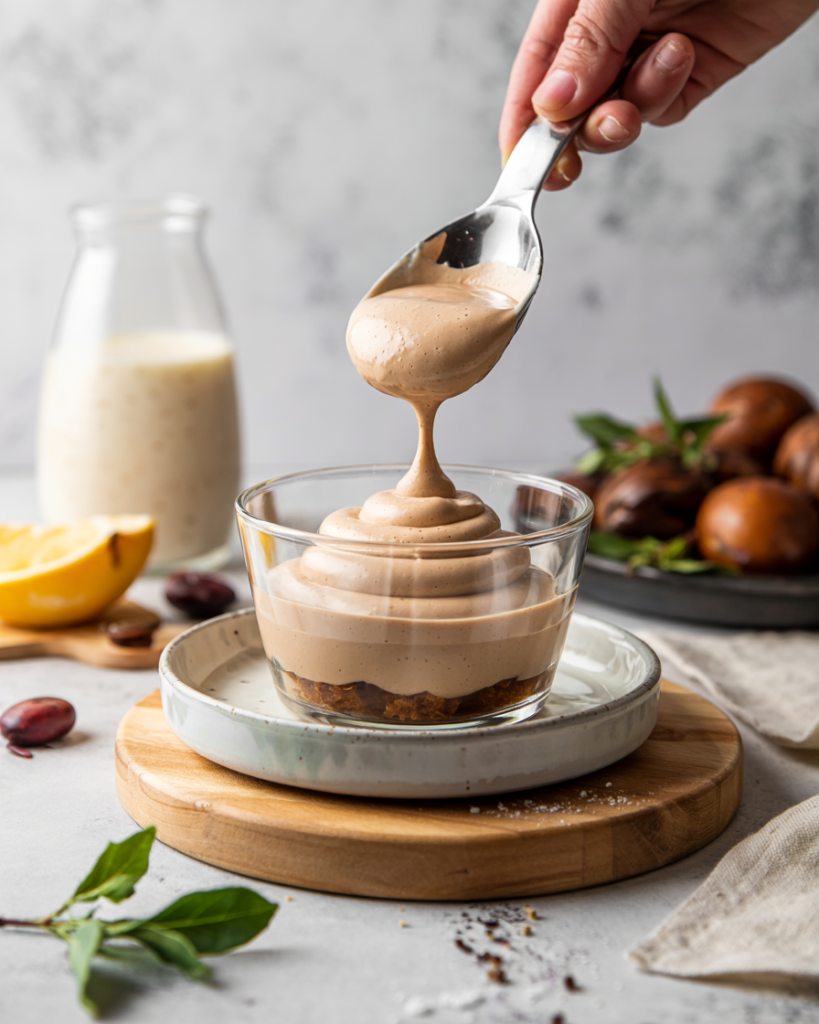
This protein cheesecake mousse is light, airy, and creamy without feeling heavy. A no-bake, high-protein dessert that satisfies cheesecake cravings while supporting weight-loss goals and mindful portioning.
Ingredients
Instructions
Step 1 — Soften the cream cheese
-
Allow the dairy-free cream cheese to sit at room temperature until fully softened and easy to blend.
Step 2 — Add ingredients to bowl
-
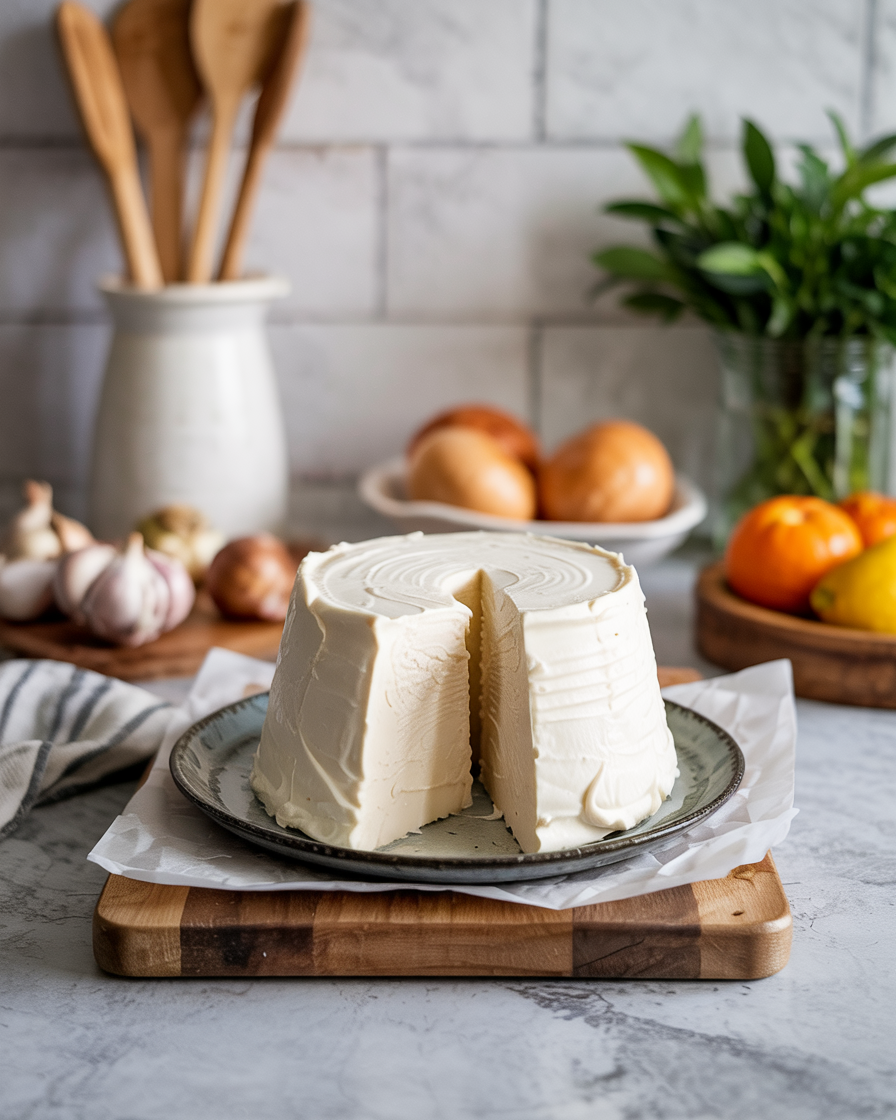
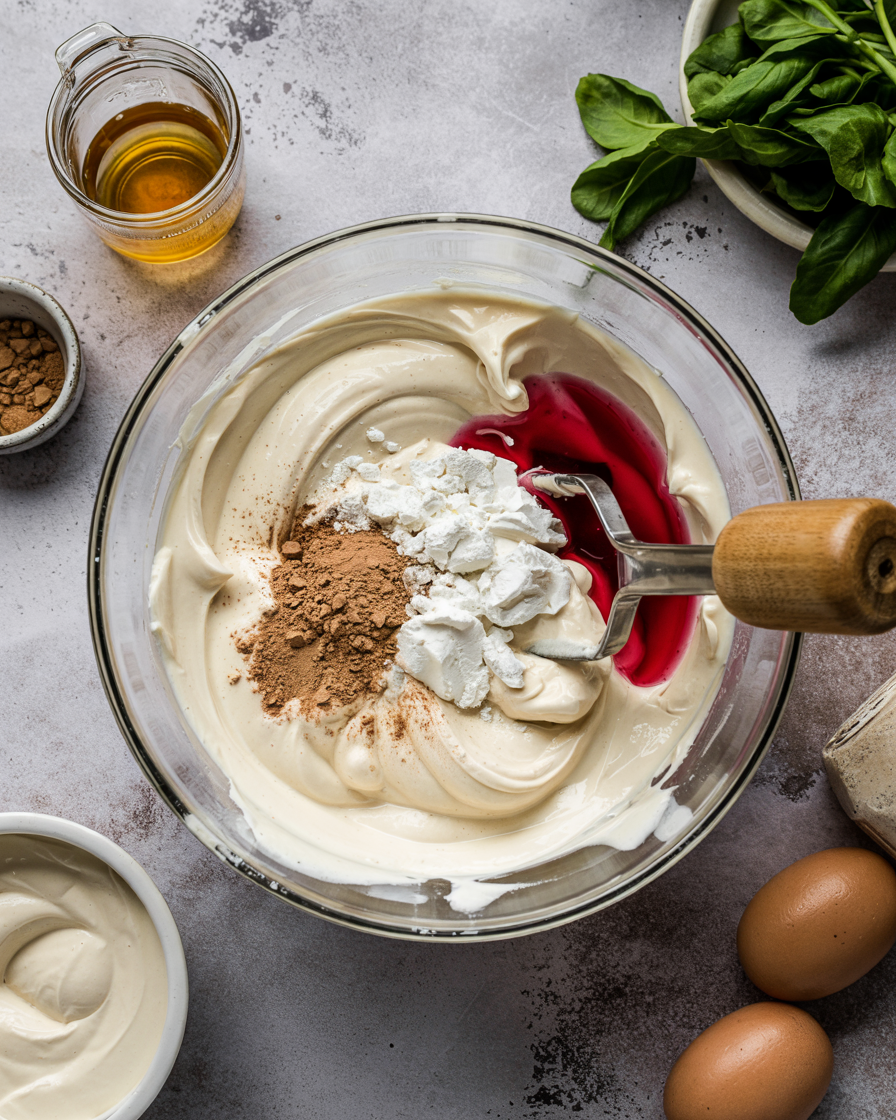
Add softened cream cheese, coconut yogurt, protein powder, maple syrup, vanilla extract, lemon juice, and salt to a mixing bowl.
Step 3 — Whip until smooth
-
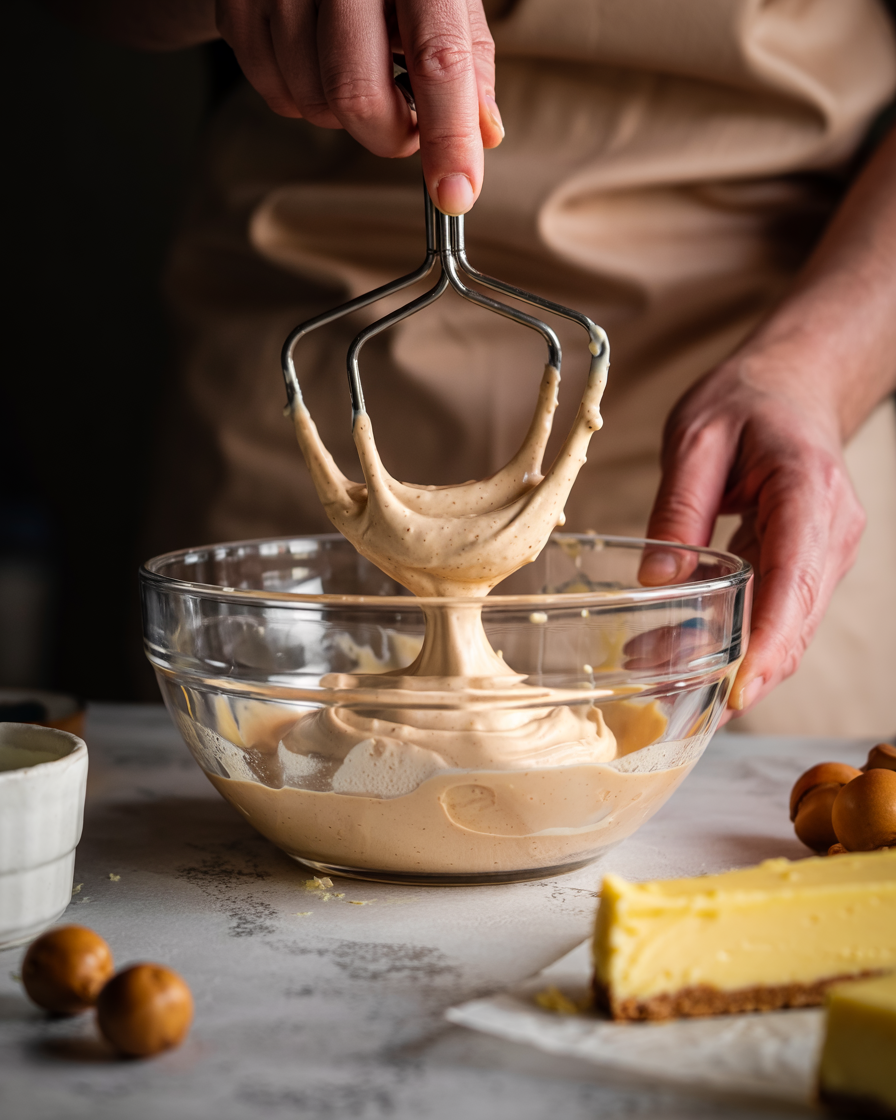
Using a whisk or electric mixer, whip the mixture until smooth, creamy, and fully combined.
Step 4 — Increase airiness
-
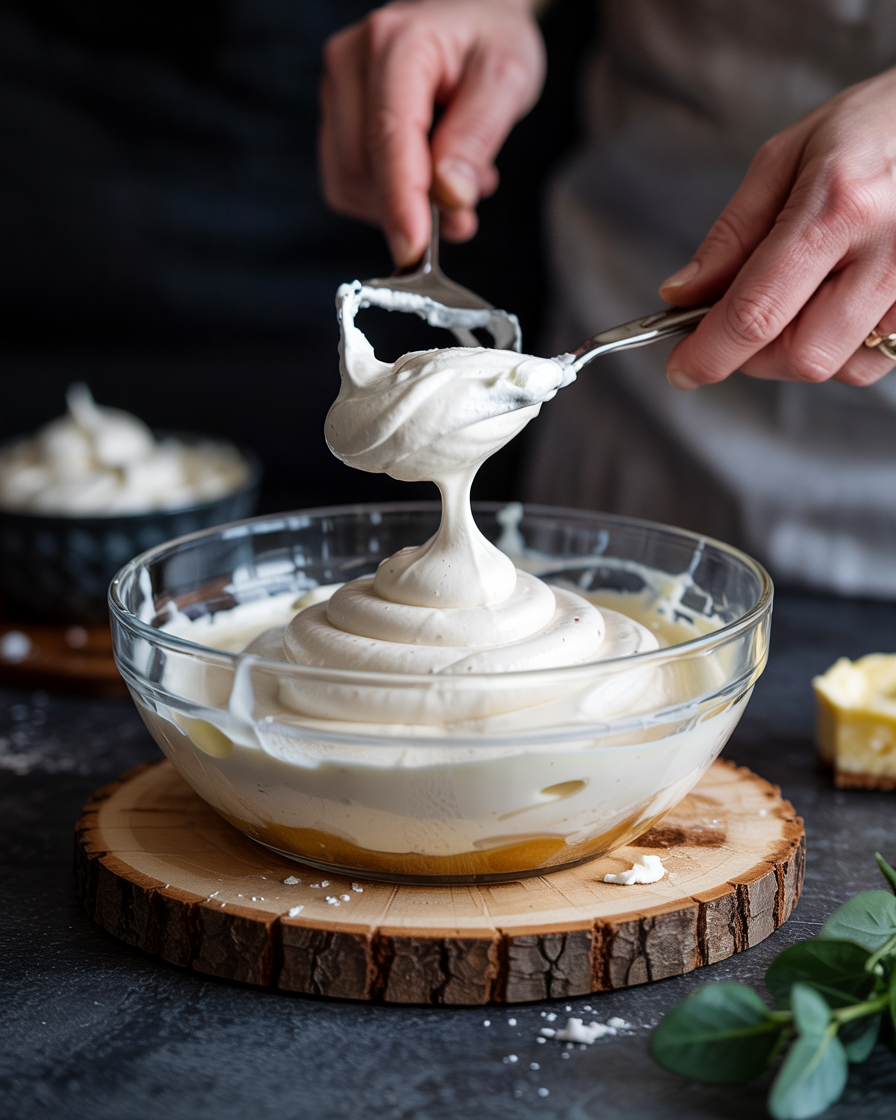
Continue whipping for an additional 30–45 seconds to incorporate more air and lighten the texture.
Step 5 — Transfer to serving dish
-
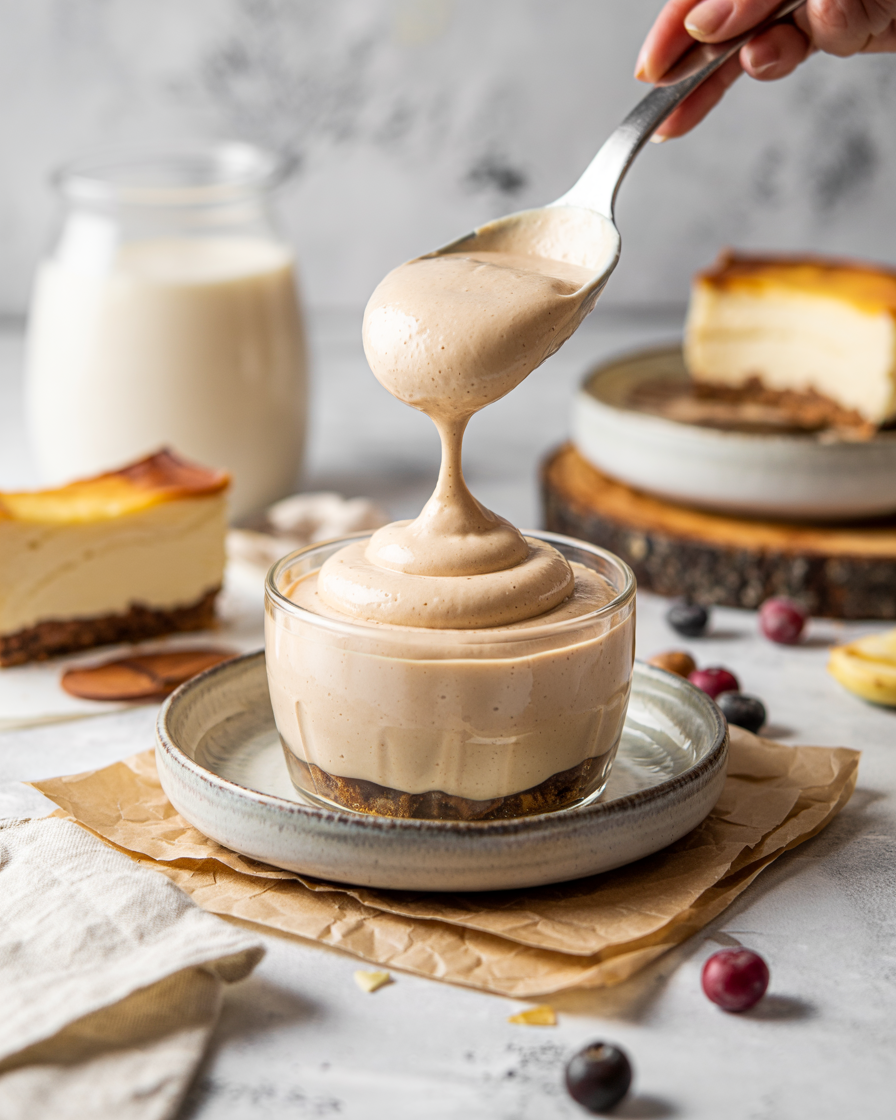
Spoon the mousse into a small bowl or container and gently smooth the top.
Step 6 — Chill briefly
-
Refrigerate for 30 minutes to allow the mousse to set slightly while remaining light and airy.
Note
This mousse is intentionally light rather than firm. Whipping introduces air, which increases volume without adding calories and helps the dessert feel satisfying with smaller portions. Protein provides structure and staying power, while lemon juice keeps the flavor bright and prevents heaviness.
Because the texture is soft and airy, the dessert feels indulgent without triggering overeating.