
Why Coconut Water is a Super Hydrator
Coconut water has gained popularity as a natural beverage, particularly during the summer months, due to its exceptional hydrating properties. Packed with essential electrolytes such as potassium, sodium, and magnesium, coconut water stands out as an ideal drink for hydration. Unlike many commercial sports drinks, which may contain added sugars and artificial ingredients, coconut water offers a pure, refreshing option that is particularly appealing in hot weather.
When consumed, coconut water helps replenish lost fluids and electrolytes, making it particularly beneficial for individuals engaging in outdoor activities or intensive workouts during the summer. As people sweat more in heat and humidity, it becomes crucial to restore hydration levels. Drinking coconut water not only assists in quenching thirst but also aids in recovery by providing vital nutrients that help maintain electrolyte balance.
The high potassium content in coconut water is particularly noteworthy, as potassium plays a significant role in muscle function and cardiovascular health. This nutrient helps regulate fluid balance in the body, making it an effective beverage for athletes and fitness enthusiasts looking to stay hydrated. Furthermore, low in calories and fat, coconut water can be incorporated into various health-conscious diets without guilt.
In conclusion, coconut water is an excellent choice for those seeking natural hydration, especially during the sweltering summer months. Its rich content of electrolytes and refreshing taste not only satisfies thirst but also supports overall well-being, making it a suitable companion for all summer activities.
Nutritional Profile of Coconut Water
Coconut water is often hailed as a nourishing and hydrating beverage, especially during the sweltering summer months. Its nutritional profile is one of the key factors that make it a popular choice among health-conscious individuals. Rich in essential vitamins and minerals, coconut water offers a refreshing option to stay hydrated without the extra calories and sugars commonly found in soft drinks.
One of the standout features of coconut water is its low calorie content, making it an excellent alternative to sugary beverages. Typically, one cup of coconut water contains about 46 calories, which is significantly lower than most fruit juices and soda. Additionally, it boasts a natural sweetness, primarily due to its modest sugar content, which averages around 6 grams per serving. This balance makes coconut water a guilt-free choice for those looking to quench their thirst healthily.
In terms of vitamins, coconut water is notably rich in potassium, offering about 600 mg per serving. This mineral plays a crucial role in maintaining proper heart function and regulating blood pressure. Furthermore, coconut water contains a variety of B vitamins, including riboflavin, niacin, and folate, which support metabolism and energy production. The presence of antioxidants, such as vitamin C, also helps combat oxidative stress, contributing to overall health.
In summary, the nutritional profile of coconut water, combined with its hydrating properties, makes it an excellent component in a summer smoothie. By opting for coconut water instead of high-calorie soft drinks, individuals can enjoy a delicious and beneficial beverage that supports their health and wellness goals.
Refreshing and Energizing Effects of Coconut Water Smoothie
Coconut water smoothies, when combined with a variety of fruits, offer a vibrant and refreshing option for hydration, especially during the hotter months. These smoothies not only quench thirst but also provide a substantial boost of energy, making them an excellent choice for individuals seeking revitalization. The natural sugars found in coconut water and fruits, such as bananas, mangoes, and berries, are easily absorbed by the body, leading to an instant energy lift without the crash typically associated with sugary beverages.
One significant advantage of enjoying coconut water smoothies is the rich array of antioxidants they contain. Antioxidants play a crucial role in neutralizing free radicals, which can contribute to fatigue and overall sluggishness. By incorporating fruits high in antioxidants, such as blueberries or pomegranate, the nutrient profile of these smoothies is considerably enhanced. The presence of these antioxidants in coconut water smoothies not only aids in combating fatigue but also promotes cellular health, enabling individuals to feel more invigorated and active.
In addition, the hydration properties of coconut water are unparalleled. Rich in electrolytes such as potassium and magnesium, coconut water helps replenish lost fluids and minerals, particularly after physical exertion or during hot summer days. This makes it an ideal base for smoothies aimed at rehydration and energy replenishment. When blended with fruits, the resulting mixture helps maintain optimal hydration levels, allowing individuals to stay refreshed and energized throughout their daily activities.
Overall, the combination of coconut water and fruits in smoothie form not only enhances flavor but also promotes a refreshing experience and invigorates the body, offering an excellent solution to beat the summer heat.
Coconut Water Smoothie as a Digestive Aid
Coconut water, often referred to as nature’s sports drink, is a natural beverage that provides numerous health benefits, particularly regarding digestion and gut health. The composition of coconut water includes a variety of nutrients, electrolytes, and bioactive enzymes that play a critical role in promoting digestive wellness. One significant benefit of coconut water smoothies is their ability to help maintain fluid balance and support proper digestion during the warm summer months.
One of the key components of coconut water is its high content of electrolytes, which helps replenish lost fluids and prevent dehydration. Dehydration can often lead to digestive issues, such as constipation and indigestion. By incorporating coconut water into smoothies, individuals can enhance their fluid intake while also enjoying a delicious treat. Furthermore, the presence of natural enzymes in coconut water, such as amylase, lipase, and protease, contributes to the breakdown of carbohydrates, fats, and proteins, respectively. This enzymatic action aids in the smooth functioning of the digestive system, ensuring that nutrients are efficiently absorbed.
Additionally, coconut water contains essential nutrients such as potassium, magnesium, and vitamin C, all of which help maintain a healthy gut environment. The potassium levels found in coconut water can assist in regulating intestinal contractions, thereby promoting regular bowel movements. Furthermore, the presence of antioxidants helps protect the gut lining from oxidative stress, contributing to improved overall digestive health.
In summary, integrating coconut water into smoothies not only caters to a refreshing drink but serves as an excellent digestive aid. By leveraging the natural enzymes and vital nutrients found in coconut water, individuals can enhance their digestive health and enjoy an invigorating beverage perfect for summer hydration.


Coconut Water Smoothie (Low Calorie, Hydrating & Naturally Sweet)
Description
This coconut water smoothie is a light, hydrating drink made with coconut water and frozen fruit. It’s refreshing, naturally sweet, and lower in calories than traditional smoothies.
Ingredients
Instructions
Step 1 — Add Coconut Water to Blender
-
Pour coconut water into the blender first to ensure smooth blending.
Step 2 — Add Frozen Fruit
-
Add frozen mango or pineapple and banana to the blender.
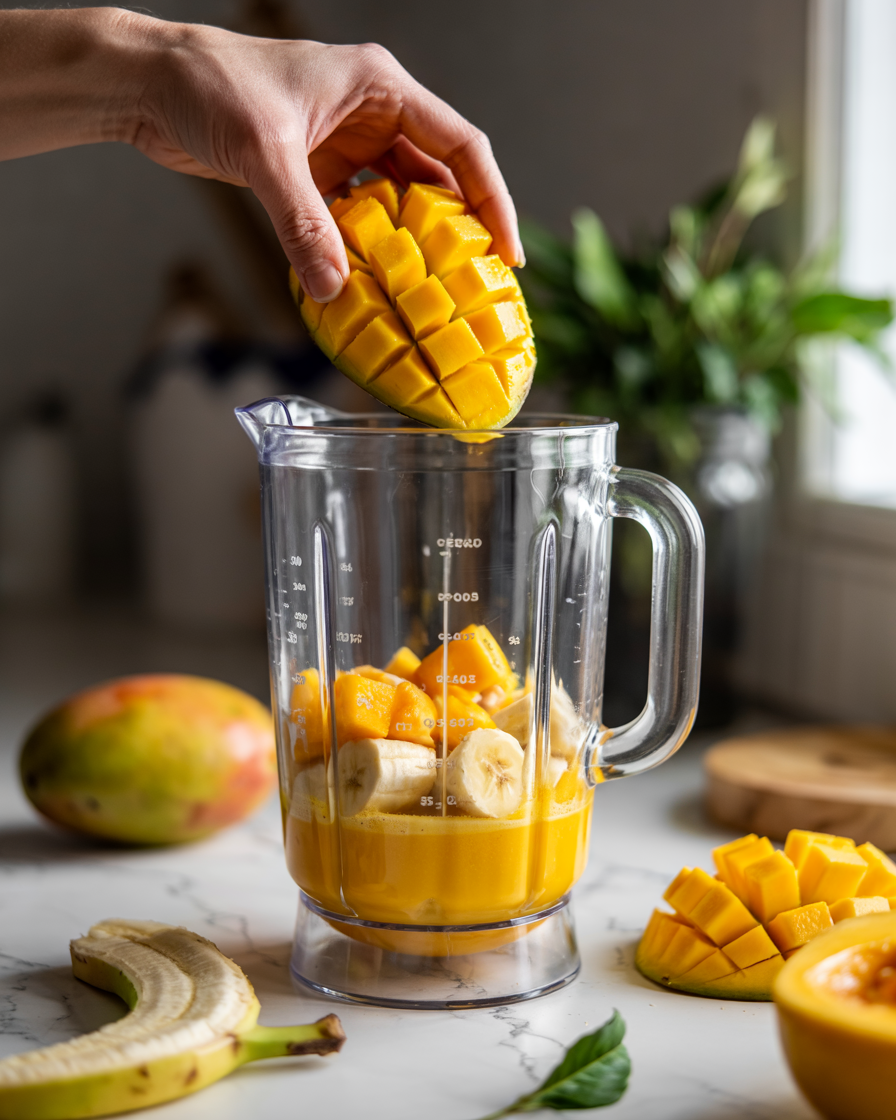
Step 3 — Blend Until Smooth
-
Blend on high for 30–45 seconds until smooth and slightly frothy.
Step 4 — Adjust Texture
-
Add a few ice cubes if you prefer a thicker consistency and blend again briefly.
Step 5 — Serve Immediately
-
Pour into glasses and serve chilled.

Note
Pro Tips
Use frozen fruit for thickness instead of ice.
Choose unsweetened coconut water to control sugar.
Blend spinach in for added nutrients without altering flavor much.
For added protein, add ½ cup Greek yogurt or a scoop of protein powder.