
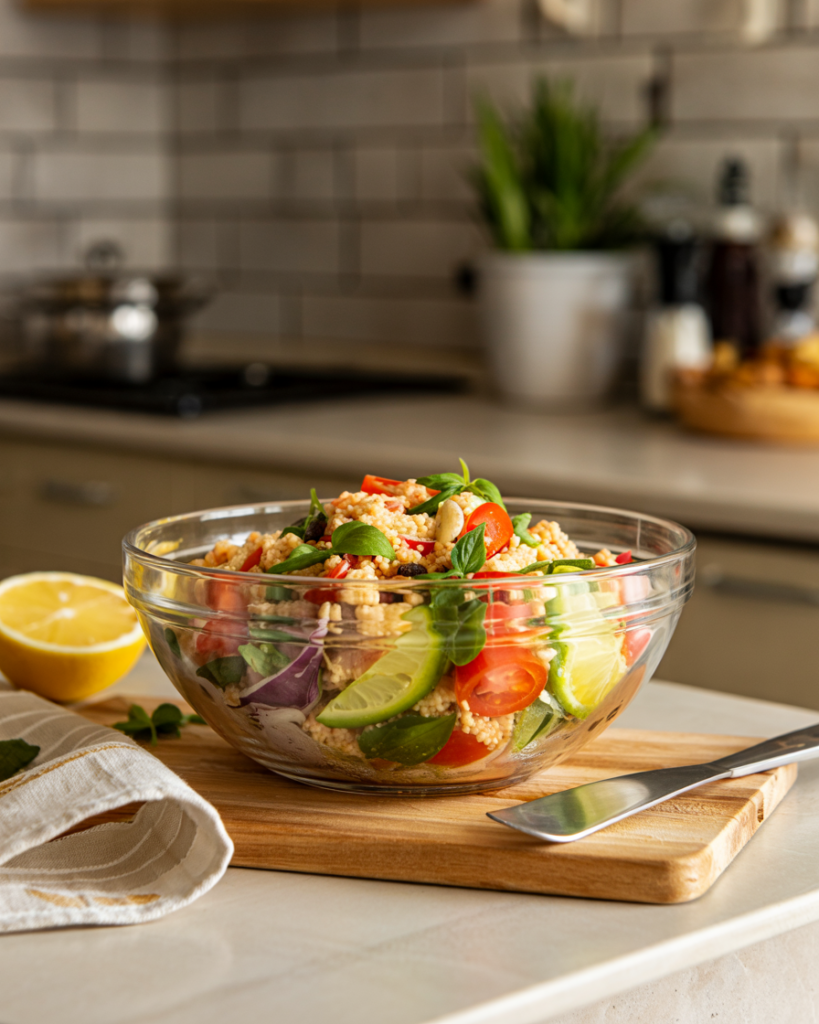
The Mediterranean no-cook couscous salad is a vibrant culinary creation that celebrates the rich diversity of Mediterranean cuisine. This dish is not only easy to prepare but also encapsulates the essence of healthy eating, making it a popular choice among those seeking quick meal options without compromising on flavor or nutritional value. The charm of this salad lies in its simplicity; users can prepare it in a matter of minutes, allowing for a hassle-free cooking experience.
In many Mediterranean countries, salads play a crucial role in daily meals, symbolizing the region's commitment to fresh ingredients and balanced nutrition. The no-cook couscous salad typically incorporates a variety of ingredients like ripe tomatoes, crisp cucumbers, fragrant herbs, and a drizzle of olive oil, reflecting the Mediterranean's bounty. Couscous, traditionally a staple in the region, serves as the perfect base, soaking up flavors and providing texture.
This dish appeals to health-conscious individuals as it emphasizes whole foods, rich in vitamins and minerals. It is particularly notable for its versatility; one can easily tailor it to fit dietary preferences by adding proteins such as chickpeas or grilled chicken, or by introducing various vegetables. The Mediterranean no-cook couscous salad has garnered a loyal following among food lovers, owing to its crisp, refreshing nature and the balance of flavors that celebrate the Mediterranean diet's core principles.
Ultimately, this salad snippet of the Mediterranean diet stands as a testament to how simplicity can yield extraordinarily delicious results. Its growing popularity reflects a societal shift towards healthier eating habits, making it an excellent addition to any dining table.
The Mediterranean diet is renowned for its ability to promote overall health, with an emphasis on fresh ingredients that provide numerous nutritional advantages. A no-cook couscous salad, comprising a variety of these Mediterranean staples, offers an excellent way to enjoy these health benefits. Key components such as vegetables, legumes, whole grains, nuts, and healthy fats contribute significantly to well-being.
Fresh vegetables like tomatoes, cucumbers, and bell peppers are rich in vitamins, antioxidants, and minerals. They are essential for promoting heart health by lowering blood pressure and cholesterol levels. Lycopene, found in tomatoes, has been linked to reduced risks of cardiovascular diseases, making these ingredients vital to a balanced diet.
Whole grains, particularly couscous, are excellent sources of complex carbohydrates and dietary fiber. They help enhance digestion, regulate blood sugar levels, and provide sustained energy, making them beneficial for maintaining optimal weight and overall metabolic health. The fiber content aids in proper bowel function and can alleviate constipation and other digestive issues.
Nuts and seeds, often featured in Mediterranean dishes, supply healthy fats, including omega-3 and omega-6 fatty acids. These fats are essential for brain health and the functioning of various bodily systems. When included in a couscous salad, walnuts or sunflower seeds not only add texture but also contribute to satiety and energy levels, thereby supporting a healthy lifestyle.
Lastly, incorporating both herbs and olive oil enhances flavor while providing additional health benefits. Olive oil is renowned for its anti-inflammatory properties, aiding in the prevention of chronic diseases. When combined with the nutrient-dense components found in a Mediterranean no-cook couscous salad, one can create a dish that not only delights the taste buds but also nourishes the body effectively.
The Mediterranean No-Cook Couscous Salad exemplifies a vibrant culinary experience, primarily due to its vibrant ingredients that perfectly complement each other. This dish combines couscous with an array of fresh vegetables, herbs, and a tangy dressing, creating an explosion of flavors. The lightness of the couscous serves as an excellent base that absorbs the richness of the ingredients, allowing for a delightful medley in each bite.
Fresh ingredients such as cucumbers, bell peppers, and cherry tomatoes contribute crisp textures and juicy bursts of flavor, enhancing the overall sensory experience. These vegetables are not only visually appealing with their bright colors, but they also bring a refreshing quality to the salad. The addition of red onions further introduces a subtle sharpness, while olives and feta cheese provide salty and savory notes that elevate the dish's complexity.
Furthermore, the use of fresh herbs like parsley and mint introduces aromatic elements that tantalize the palate. Each herb contributes unique notes; for instance, parsley offers earthiness while mint lends a cooling sensation, resulting in a well-rounded flavor profile. The dressing, typically made from olive oil, lemon juice, and perhaps a touch of honey, binds the components together, adding a zesty and refreshing element that enhances the dish's overall taste.
This Mediterranean No-Cook Couscous Salad is not merely an accompaniment; it deserves recognition as a stand-alone dish that can gracefully occupy any dining table, whether for a casual lunch or a formal dinner gathering. The combination of flavors and textures guarantees satisfaction, making it a versatile choice treasured by many. Its ease of preparation and refreshing essence underscore why it is a staple in Mediterranean cuisine.
In today’s fast-paced world, finding time to prepare healthy meals can be challenging. This is where the Mediterranean no-cook couscous salad truly stands out. With its minimal preparation time and effortless assembly, this salad becomes an ideal dish for individuals who lead busy lifestyles. The charm of this salad lies in its ability to deliver fresh, nutritious flavors without the need for extensive cooking.
Preparing a Mediterranean couscous salad requires only a few simple steps, making it a practical choice for a meal. All one needs to do is combine dry couscous with boiling water, let it fluff for a few minutes, and then toss in an array of vibrant ingredients such as cherry tomatoes, cucumbers, olives, and feta cheese. This simplicity makes it suitable not only for everyday meals but also for gatherings and special occasions.
For instance, whether it is a busy weekday lunch, a picnic outing, or a casual dinner party, this no-cook salad can easily fit the occasion. Its versatility allows it to serve as a satisfying main dish or as a complementary side dish alongside grilled meats or roasted vegetables. Additionally, it can be customized with various ingredients, catering to personal tastes and dietary preferences, thus enhancing its appeal.
Moreover, the Mediterranean no-cook couscous salad promotes healthy eating without sacrificing flavor or enjoyment. By making it a staple in your meal planning, you embrace the lifestyle of easy, nutritious cooking. Therefore, we encourage readers to incorporate this salad into their repertoire, experiencing firsthand how simplicity and convenience can be harmoniously integrated into daily dining.
This Mediterranean no cook couscous salad is fresh, lemony, and protein-balanced. It’s designed for meal prep and works as a light but filling plant-based lunch option.
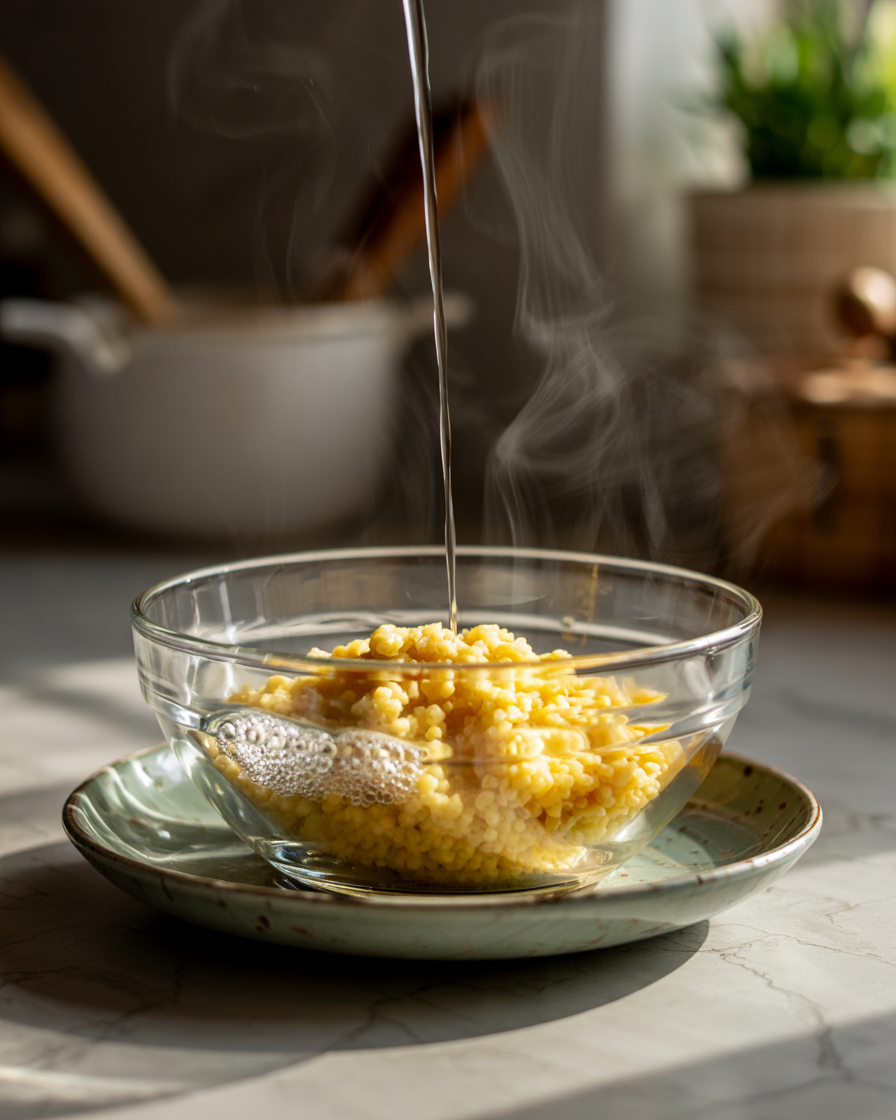 Place dry couscous in a heat-safe bowl. Pour boiling water over it, cover tightly, and let sit for 5 minutes. Fluff with a fork once water is absorbed.
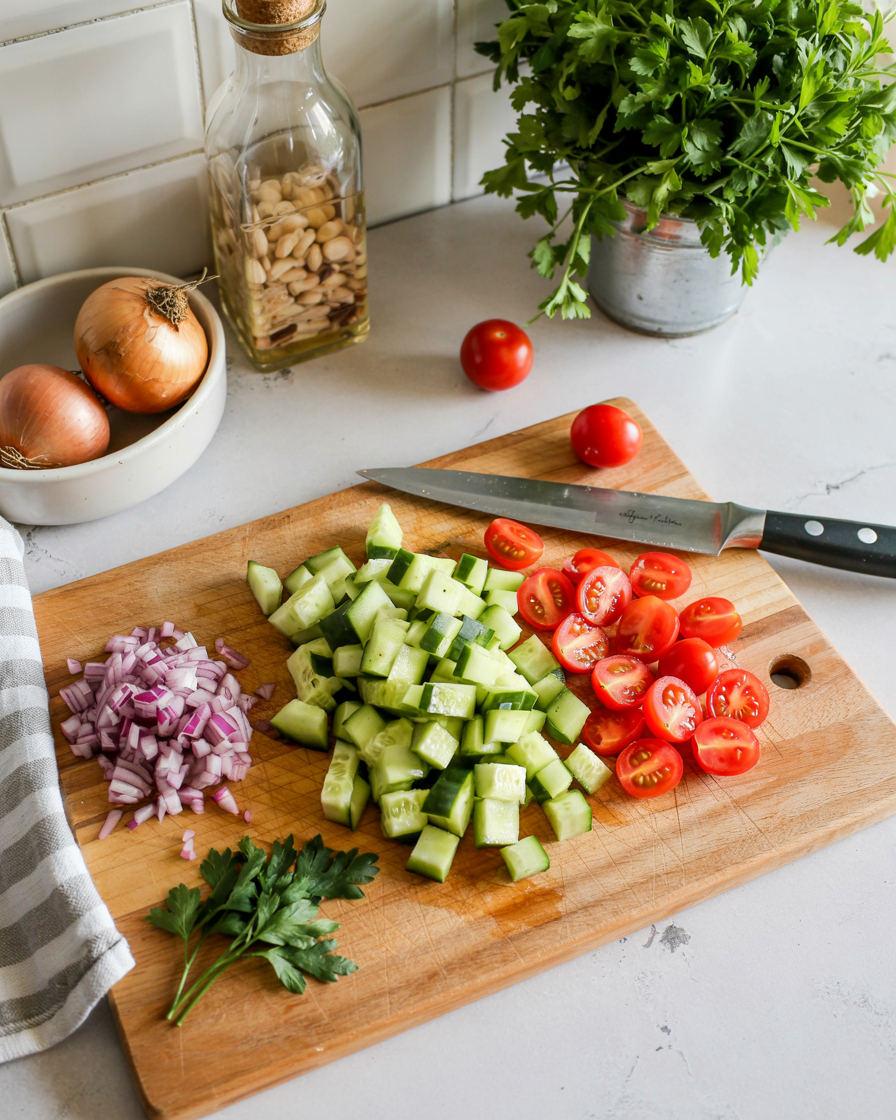 Dice cucumber, halve cherry tomatoes, finely chop red onion, and chop parsley.
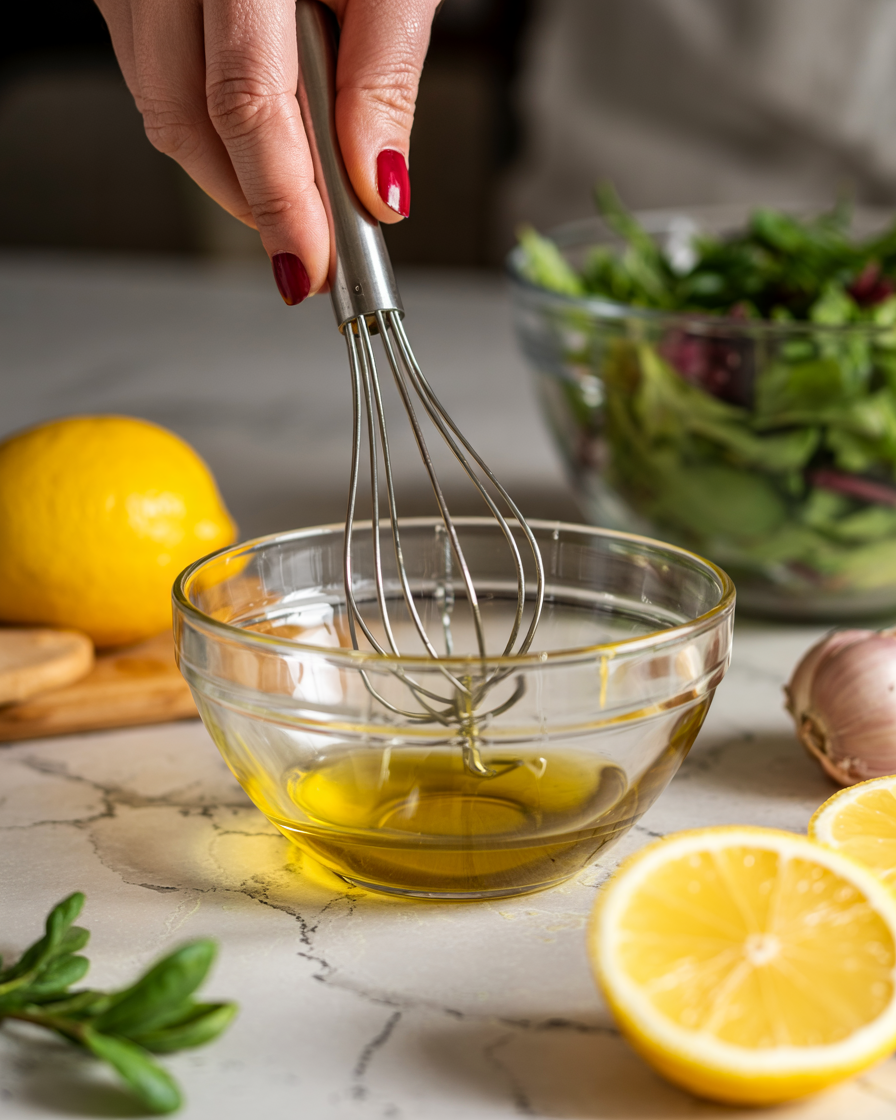 In a small bowl, whisk together olive oil, lemon juice, salt, and black pepper until emulsified.
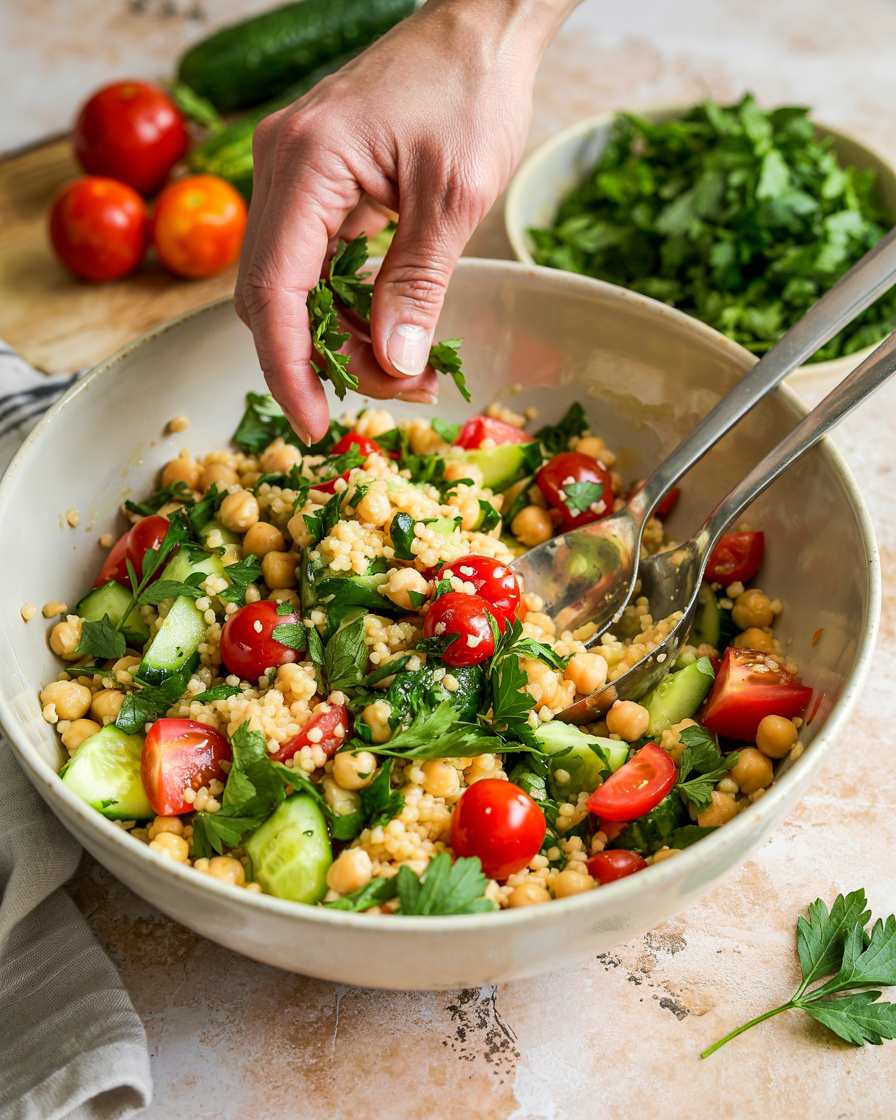 Add chickpeas, vegetables, and dressing to the fluffed couscous. Toss thoroughly until evenly coated.
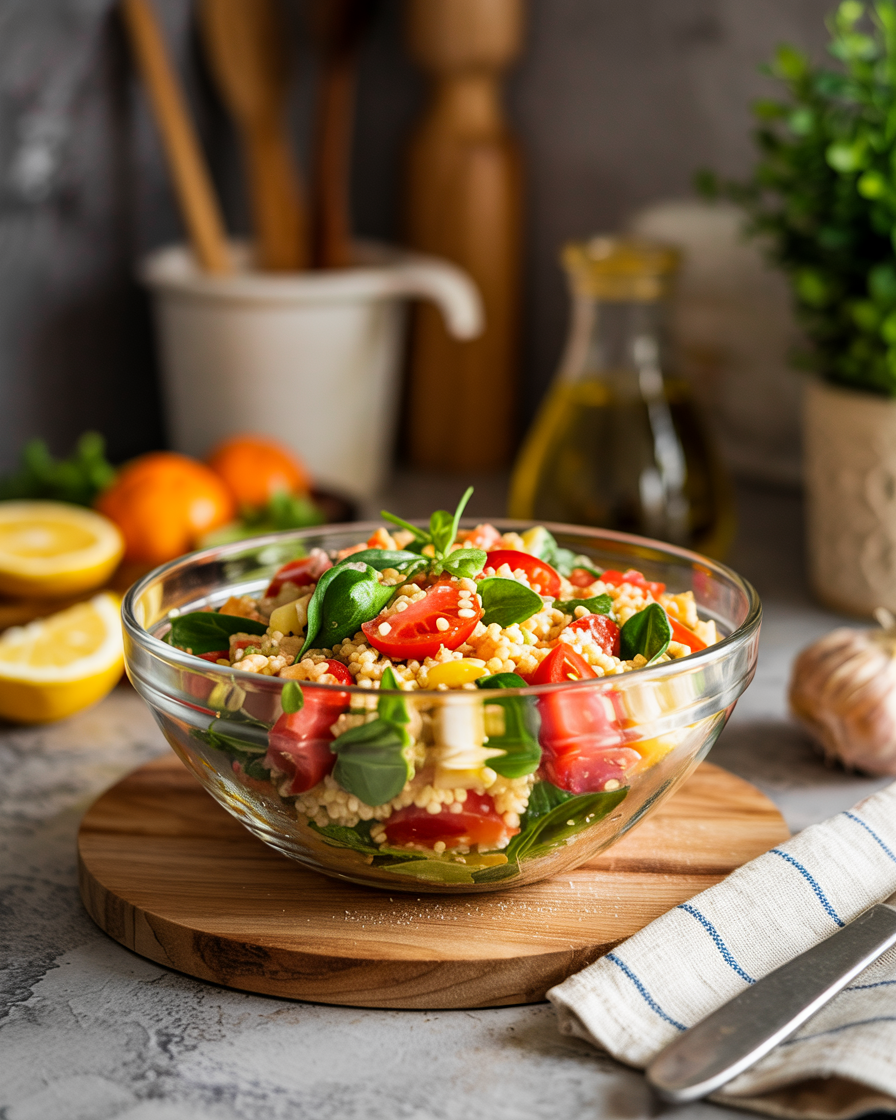 Allow the salad to rest for 15–30 minutes in the refrigerator so flavors can meld.
Fluff couscous immediately after hydration to prevent clumping.
Dice vegetables uniformly for consistent texture.
Drain chickpeas thoroughly to prevent excess moisture.
Adjust lemon juice to taste before chilling.
For higher protein, increase chickpeas to 2 cups and slightly reduce couscous.
Cold grain salads simplify meal planning because they store well and require minimal daily effort. By combining legumes with grains, protein and fiber increase naturally without relying on processed ingredients.
Mediterranean-style formats work particularly well because they balance acidity, herbs, and healthy fats. When meals are built around predictable protein foundations like chickpeas and tofu, consistency becomes easier to maintain.