The landscape of plant-based nutrition and high-performance summer meal prep has undergone a massive paradigm shift over the last year, rapidly evolving away from restrictive, flavorless diet snacks and moving toward highly visual, meticulously engineered, culturally inspired culinary phenomena that absolutely dominate algorithmic feeds on Pinterest and TikTok. At the absolute forefront of this movement is a powerful approach to afternoon treats and picnic desserts that completely redefines how we manage our sweet cravings during a calorie deficit: the aesthetic, Southeast Asian-inspired fruit bowl. For decades, traditional summer desserts have been a source of immense dietary friction for anyone attempting to maintain a strict cutting phase. Traditional Mango Sago, while undeniably delicious, is calorically dense, heavily reliant on massive amounts of sweetened condensed milk, high-fat coconut creams, and starchy tapioca pearls that spike blood glucose levels and completely lack the structural protein necessary to keep you satiated. By radically reimagining the physical architecture of this viral, beloved classic, we can create a dish that physically mimics the highly addictive, creamy, and chewy texture of authentic sago while delivering the pristine macronutrient profile of a post-workout recovery meal. These Viral High-Protein Mango “Sago” Dessert Bowls take that revolutionary concept and infuse it with the brightest, most vibrant aesthetic of the summer season, offering a functional powerhouse that actively aids in weight loss while perfectly satisfying your craving for a rich, tropical sweet treat.
To truly appreciate the brilliance of this incredibly trending recipe, one must understand the fascinating culinary science behind seed hydration, high-speed protein emulsification, and natural fruit purees. Unlike traditional sago that relies on boiling high-carbohydrate tapioca pearls in heavy dairy, this recipe utilizes the incredible hydrophilic properties of black chia seeds. When suspended in a highly engineered, ultra-thick matrix of premium silken tofu, light coconut milk, and high-quality vanilla plant protein, the chia seeds rapidly absorb the ambient moisture. Over the course of a brief chilling period, they swell and develop a delicate, gel-like coating that flawlessly mimics the addictive, slippery chew of authentic sago pearls, but with an immense dose of dietary fiber and omega-3 fatty acids. However, the true macro-friendly magic occurs with the integration of the dual-texture mango layer. By blending half of our fresh, peak-season summer mangoes into a vibrant, velvety puree and keeping the other half as massive, juicy cubes, we create an unparalleled textural harmony. When this dense, tropical protein cream is layered in a glass jar with the bright orange mango puree and the chewy chia “sago,” it captures the rich, luxurious coconut mouthfeel and the sharp, refreshing acidity of fresh fruit in every single massive scoop.
Beyond the molecular science, the psychological impact of this specific viral treat cannot be overstated. Food is deeply tied to the visual perception of aesthetics and the ritual of exploring global cuisines, and the physical act of eating a vibrant, layered, tropical dessert is psychologically associated with extreme indulgence, luxury beachside vacations, and idyllic summer escapes. When navigating a strict weight-loss phase or adhering to a pristine summer cutting diet, the psychological burden of feeling isolated from highly satisfying, socially acceptable, and culturally relevant sweet snacks often leads to intense diet fatigue and weekend binge eating. This recipe serves as a profound psychological release valve. It allows you to partake in the sensory experience of a massive, indulgent, heavily garnished piece of confectionery art without triggering the physiological cascade of a lethargic fat coma. By meticulously structuring your afternoon snack around this high-volume, low-calorie tropical hack, you are completely tricking your brain’s reward center. You experience the rush of consuming a luxurious, aesthetic mango sago dessert, but your body registers the intake as a lean, hydrating, incredibly clean protein and high-fiber fuel source.
Ingredient sourcing is the absolute critical factor that separates a mediocre, watery diet hack from a premium, viral-quality meal, particularly when working with a recipe that relies heavily on raw, contrasting flavors. The foundation must be the absolute freshest, ripest, and most deeply orange Ataulfo (honey) or Champagne mangoes you can find. Attempting to use hard, pale, unripened mangoes will fundamentally ruin the aesthetics and the flavor profile, as they will lack the vital natural fructose required to sweeten the purees. For the protein base, selecting a high-quality, ultra-smooth silken tofu and a grit-free vanilla vegan protein powder is essential for providing that satisfying, creamy contrast without introducing heavily processed artificial flavors. We amplify the bright summer flavor profile by utilizing a touch of pure maple syrup and light canned coconut milk—the natural coconut oils provide the necessary tropical richness that makes the dish authentic, while keeping the overall caloric load remarkably low. Finally, the strategic use of premium, whole chia seeds provides the vital textural chew that makes the dish engaging and completely addictive to eat from the first bite to the bottom of the jar.
Integrating these massive, viral dessert cups into your weekly summer meal prep rotation is a highly calculated strategy for long-term physical transformation and craving management. The sheer physical density and massive fiber content of the chia seeds require significant digestive energy, slowing down your consumption and optimizing your gut microbiome for maximum satisfaction. It physically satisfies the palate’s demand for rich, creamy textures and sharp, refreshing tropical fruits, sending powerful, immediate satiety signals to the vagus nerve that completely obliterate the urge to mindlessly snack. Having a row of these vibrant, yellow-and-white layered jars ready in your refrigerator ensures that your body has immediate access to a clean, macro-friendly dessert vessel whenever the urge to scour the pantry strikes, or whenever you need a stunning, healthy treat to bring to a summer picnic. This is the epitome of the “Dream Life Cooking” philosophy: replacing dietary restriction with intelligent, stunning, and culturally relevant culinary abundance, ensuring every single calorie you consume is actively working to build the healthiest, leanest, and most energized version of yourself.
Why This Recipe Works
Texture The meticulously crafted blend of swelled chia seeds and silken tofu creates a dense, creamy, and slippery pudding base that identically mimics authentic sago pearls, while the fresh mango cubes provide an unbelievably satisfying, juicy mouthfeel.
Balance The intense, artificial-free sweetness of the fresh mango puree and the pure maple syrup is perfectly neutralized and elevated by the rich, earthy aromatics of the coconut milk and the subtle, dessert-like vanilla protein cream.
Ingredient Roles The fresh summer mangoes serve as the massive, high-volume, low-calorie flavor engine. The silken tofu, coconut milk, and vanilla protein powder act as the crucial protein-dense structural filling, while the chia seeds transform a simple pudding into a highly viral, restaurant-quality sago sensation.
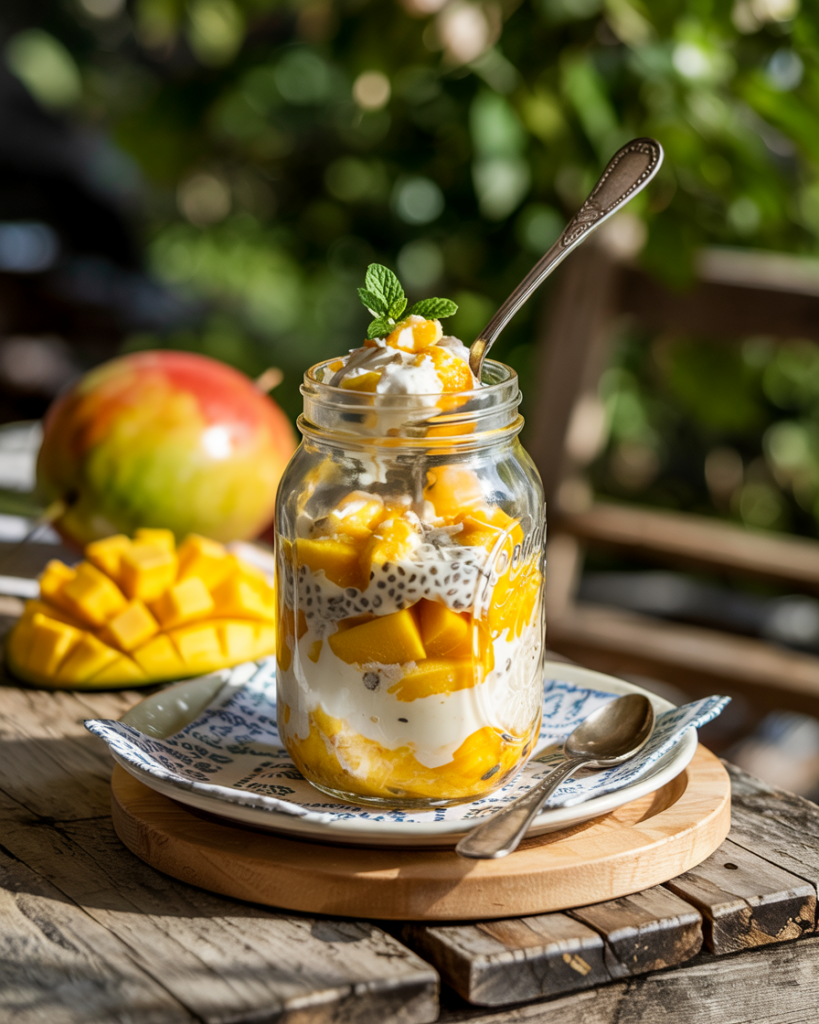

Viral High-Protein Mango “Sago” Dessert Bowls
Description
The viral Pinterest tropical sensation, completely optimized for your weight-loss macros! Stunning glass jars layered with a high-protein vegan coconut chia "sago" pudding, vibrant fresh mango puree, and massive chunks of juicy summer mango. The ultimate low-calorie, hydrating summer treat!
Ingredients
Instructions
Step 1 — The Chia "Sago" Soak
-
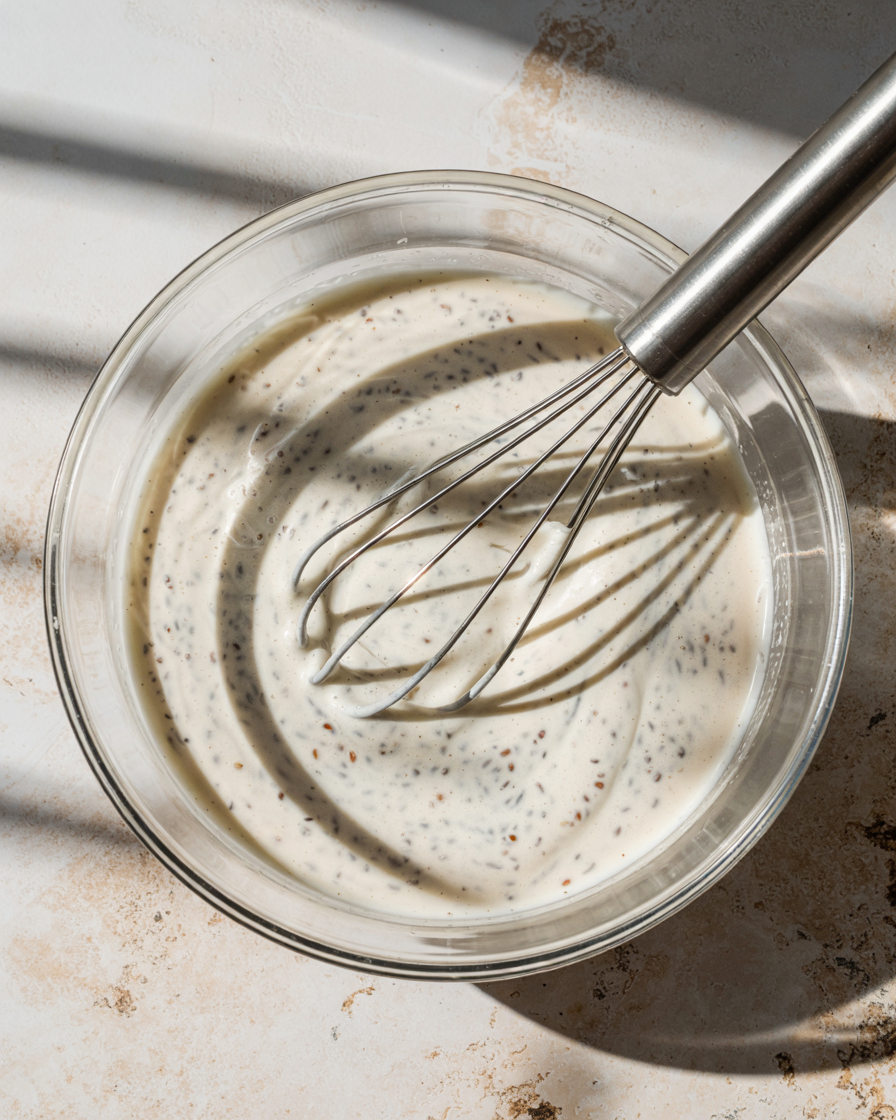
In a medium glass mixing bowl, vigorously whisk together the light canned coconut milk, the black chia seeds, one tablespoon of pure maple syrup, and the vanilla extract. Let the mixture sit undisturbed at room temperature for exactly ten minutes. During this brief period, the chia seeds will rapidly absorb the ambient liquid, swelling to create a thick, glossy, gel-like matrix that perfectly mimics miniature sago pearls.
Step 2 — The Mango Puree Separation
-
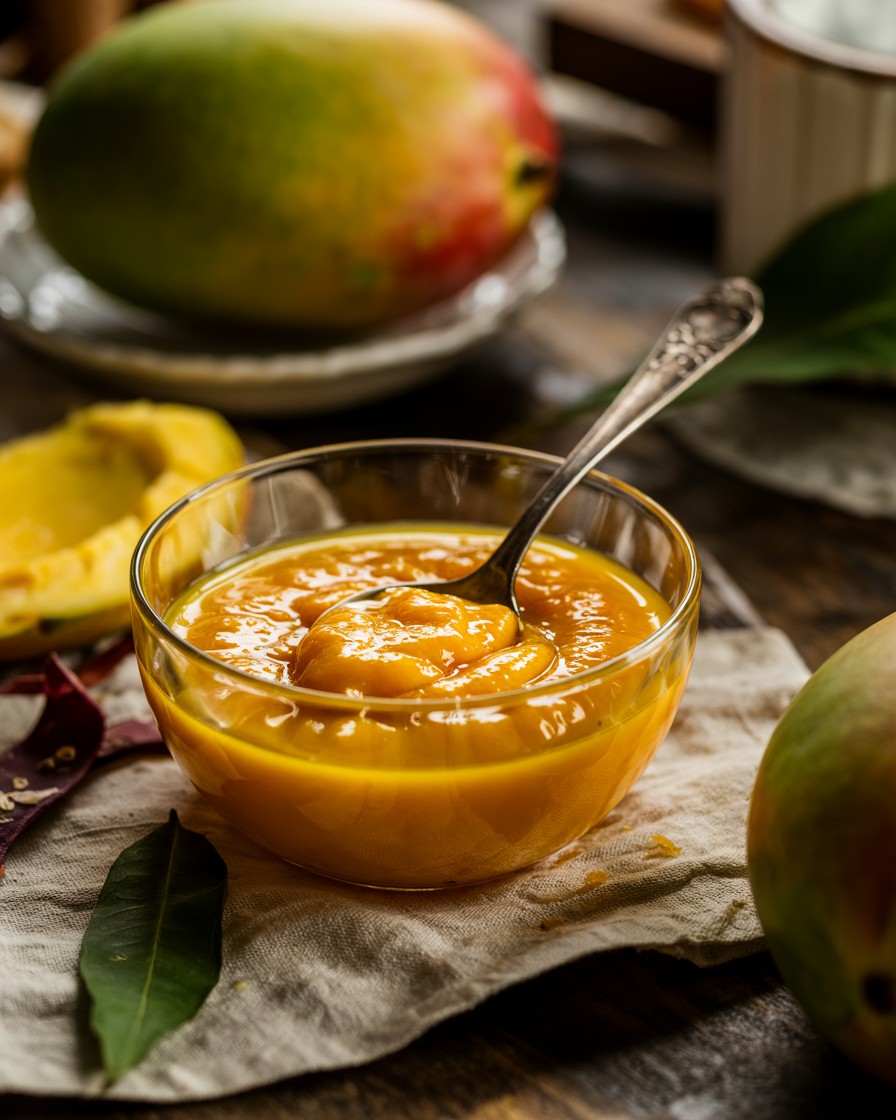
Take your three peeled and diced ripe honey mangoes and divide them exactly in half. Place half of the massive, juicy mango chunks directly into a high-speed blender or food processor along with one tablespoon of pure maple syrup. Blend on the absolute highest setting for thirty seconds until the fruit is completely pulverized into a violently bright yellow, velvety, and incredibly glossy mango puree. Transfer the puree to a small bowl and set aside.
Step 3 — The High-Protein Coconut Cream
-
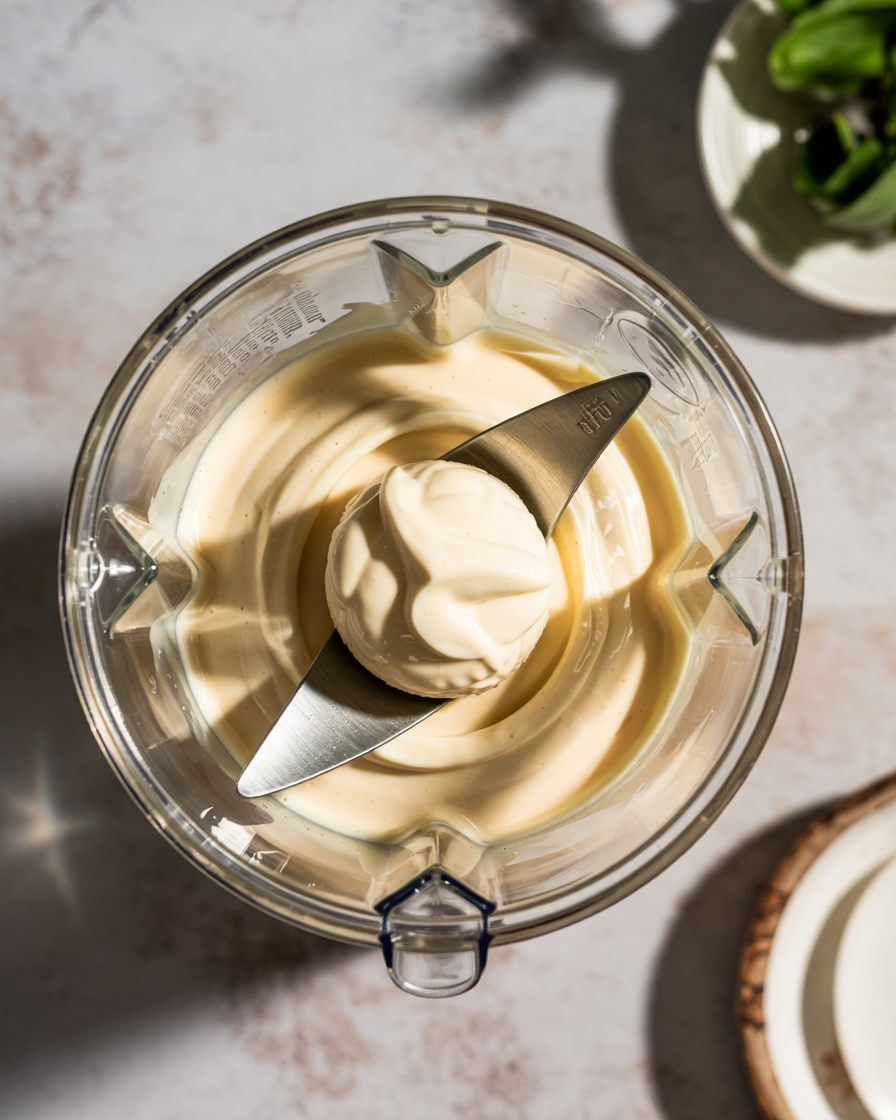
Without washing the blender jar, immediately add the drained silken tofu, the vanilla vegan protein powder, and the remaining one tablespoon of pure maple syrup. Blend on the highest setting for a full sixty seconds. The high-speed friction will completely pulverize the tofu, instantly transforming the mixture into a thick, glossy, perfectly smooth, rich vanilla cream that picks up a subtle hint of the residual mango from the blender walls.
Step 4 — The Jar Assembly
-
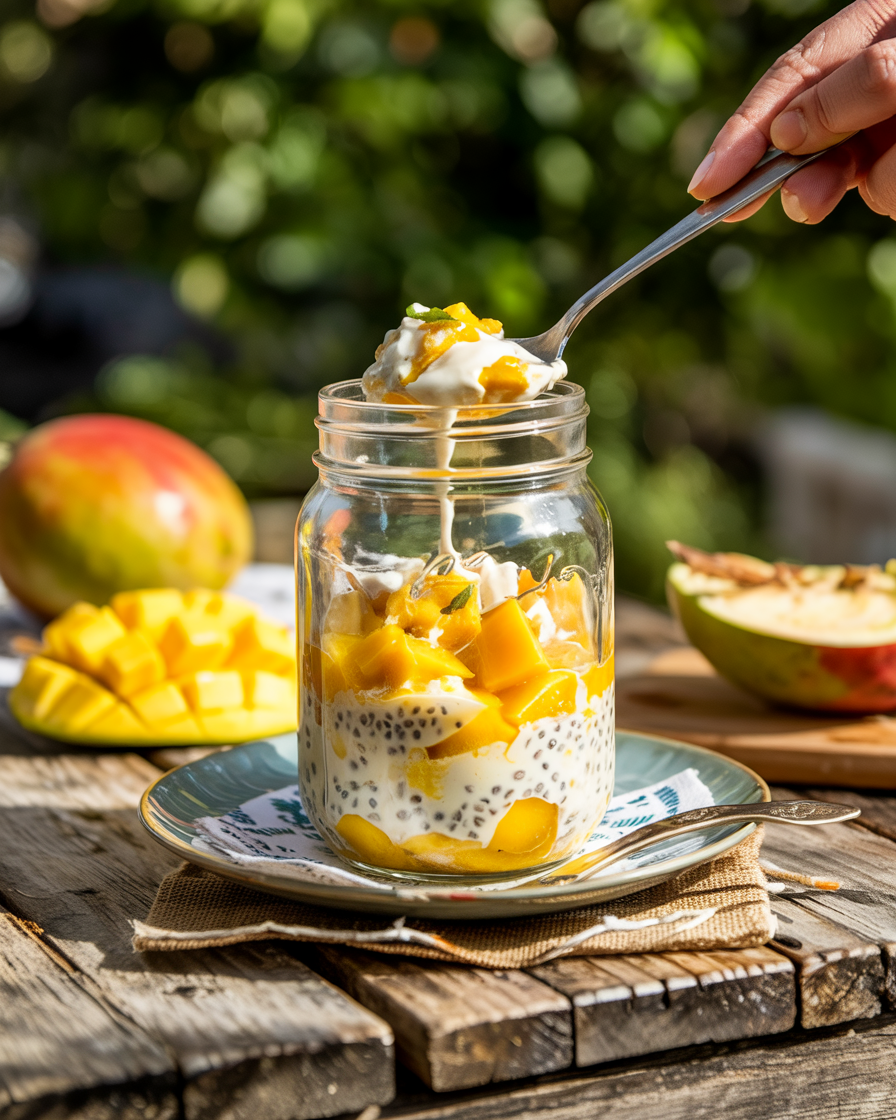
Take four clean, aesthetic glass mason jars or large dessert cups. First, spoon the thick, gelled chia "sago" mixture directly into the bottom of each jar. Next, pour a generous layer of the thick vanilla protein coconut cream directly over the chia seeds. Then, spoon a massive layer of the violently bright yellow mango puree over the white cream. Finally, top the jars to the absolute brim with the reserved whole chunks of fresh mango.
Step 5 — The Finished Plating
-
Place the assembled jars into the refrigerator for a minimum of two hours. This chilling period is absolutely critical; it allows the chia seeds to fully hydrate and set, and the silken tofu cream to firm up into a dense, luxurious pudding. Once perfectly chilled, remove the jars and garnish the absolute top with a delicate sprinkle of toasted coconut flakes. Serve absolutely immediately with a long dessert spoon, capturing the juicy mango chunks, the bright puree, the vanilla cream, and the chewy chia sago in a single, mind-blowing bite.
Note
Achieving the perfect, distinct layers and a thick, chewy sago consistency in these viral dessert cups requires an absolute mastery of seed hydration and ingredient layering. If you find your chia base is runny or the layers are bleeding together into a murky, unappetizing soup, the primary culprit is either failing to let the chia seeds rest for the initial ten minutes, or using a watery, low-quality protein powder that thins out the tofu. The chia seeds must be given time to develop their hydrophilic gel shell before they are layered into the jars, otherwise they will simply sink and bleed into the white cream. Furthermore, the quality of your mangoes is absolutely non-negotiable. Traditional Tommy Atkins mangoes (the large, red-and-green ones) are incredibly fibrous and stringy; if you attempt to puree them, your dessert will be full of unappetizing hair-like fibers. You must hunt down Ataulfo (honey) mangoes, which have a buttery, completely fiber-free flesh that creates a restaurant-quality, velvety smooth puree.
For those looking to push the culinary boundaries and elevate the flavor profile even further, the adaptability of this massive, high-volume base is truly endless. If you want to maximize the gourmet tropical notes and add an incredible visual aesthetic, consider violently whisking a quarter teaspoon of ground cardamom or fresh lime zest directly into the mango puree before jarring it. The volatile aromatic oils instantly cut through the dense fruit, forcing the palate to register the dessert as a complex, artisanal Southeast Asian creation. To amplify the "authentic sago" aromatics, you can easily fold one tablespoon of diced lychee or fresh passionfruit directly into the top layer of whole mango chunks. The sudden burst of exotic, tart passionfruit seeds hidden amongst the sweet mango provides a highly addictive textural contrast, making the entire massive jar taste identical to an expensive dessert from a high-end international bakery.
Storage & Meal Prep
These Viral High-Protein Mango "Sago" Dessert Bowls are an incredible option for rapid summer meal preparation, specifically designed to be assembled and stored securely in the refrigerator for the perfect, grab-and-go sweet treat. For optimal storage, I highly recommend assembling the entire dessert directly into your airtight glass mason jars, securing them with metal screw-on lids rather than open cups covered in plastic wrap. The airtight seal completely eliminates the surface area exposed to the circulating refrigerator air, drastically reducing the risk of the delicate vanilla cream absorbing savory odors from other meal prep items, and preventing the top layer of fresh mango from oxidizing and turning brown. They will stay perfectly fresh, deeply set, and highly flavorful in the fridge for up to four days.
When utilizing this recipe as a daily summer dessert staple or a picnic contribution, having these massive jars pre-portioned makes dietary adherence incredibly effortless and eliminates the friction of late-night snacking on processed foods. The physical structure actually improves over the first 24 hours of storage; the chia seeds continue to absorb the coconut milk, becoming incredibly dense and chewy, while the flavors of the mango puree meld beautifully into the vanilla protein cream. This allows you to construct a massive, visually stunning, macro-friendly dessert habit in under fifteen minutes of active prep, ensuring you always have a highly satisfying, sweet option on hand. Because it requires zero heat at the time of consumption, it is the absolute perfect micro-dessert to serve at a hot outdoor event, completely removing the temptation to reach for heavy, commercial ice creams.